There’s a reason numbers keep finding their way into human stories. We measure time with them, track money through them, and sometimes, we pin our hopes on them. In India’s matka culture, numbers become something more than symbols. They turn into small containers for anticipation, disappointment, and the occasional rush of belief. You don’t need to be deeply involved to notice it. Just listen to the way people talk while waiting for results—the pauses say as much as the words.
For many, matka isn’t a dramatic plunge into risk. It starts casually. Someone mentions a game name in passing. A link arrives in a group chat. You check it once, then again a few days later. The entry point is almost always boredom mixed with curiosity. Life has long stretches of routine, and matka slips into those gaps, offering a sense of suspense that doesn’t demand much effort.
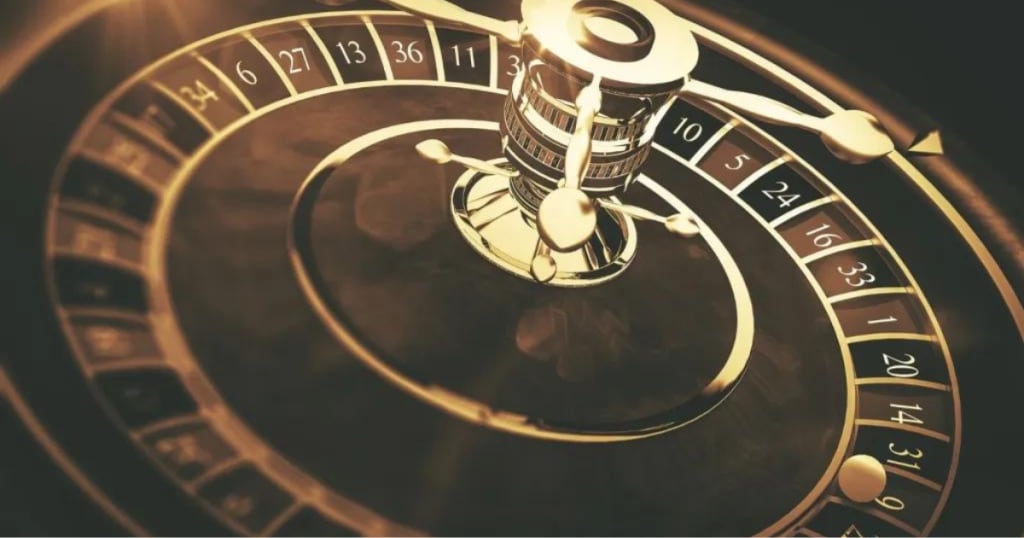 What’s interesting is how matka has managed to feel both old-fashioned and modern at the same time. Its roots go back decades, tied to street corners, handwritten slips, and local networks. Yet today, it lives comfortably on smartphones, scrolling alongside news updates and memes. The format changed, but the emotional hook stayed the same. People still wait. They still guess. They still tell themselves stories about why a particular number “has a chance.”
Certain names carry a particular weight in these conversations. They’re treated almost like landmarks—familiar reference points that help people orient themselves in a crowded space. golden matka ↗ is one of those names that pops up often, not always with excitement, but with recognition. It signals continuity, something that’s been around long enough to feel stable in an otherwise shifting scene.
Stability, of course, is part of the illusion. No matka game is predictable in the way people want it to be. Yet the human mind is excellent at finding patterns, even when randomness is doing the real work. Players pore over past charts, noting repetitions and gaps, convinced that history leaves clues. Sometimes that analysis feels almost meditative—quiet, focused, detached from the rest of the day. Other times, it tips into obsession.
The rise of online discussion has amplified both sides of that experience. Information moves faster now, and so do opinions. One person’s theory becomes another person’s certainty within minutes. Screenshots of wins circulate widely; losses tend to disappear into silence. That imbalance shapes perception, making success seem more common than it really is. It’s not deception so much as selective storytelling, something humans have always done.
There’s also a darker thread that runs through matka talk, often whispered rather than stated outright. The idea that some games are controlled, that outcomes can be influenced if you know the right people. Phrases like fix matka ↗ surface in these moments, carrying a mix of skepticism and temptation. For some, it’s a warning sign—proof that the system isn’t fair. For others, it becomes another fantasy, a belief that there’s a hidden door out of uncertainty.
In reality, those beliefs usually say more about frustration than fact. When people feel powerless, the idea of a “fixed” outcome offers strange comfort. It suggests that randomness isn’t to blame, that there’s logic somewhere behind the losses. Accepting pure chance is harder. It leaves no one to bargain with, no one to outsmart.
The social dimension of matka often gets overlooked in moral debates. Beyond the numbers, there’s conversation. People argue about predictions, tease each other about wrong guesses, and bond over shared disappointment. In small doses, that interaction can feel harmless, even friendly. The problem arises when those interactions replace healthier forms of connection or when financial stress seeps into personal relationships.
It’s also worth noting how differently people experience loss. For one person, a bad result is an annoyance they forget by dinner. For another, it lingers, shaping mood and decisions for days. That difference often has less to do with the amount lost and more to do with expectation. When hope becomes too tightly tied to outcomes, even small losses feel heavy.
Matka’s persistence, then, isn’t just about money. It’s about how people cope with uncertainty in a world that offers few guarantees. Numbers become a way to externalize hope—to put it somewhere visible, measurable, and temporarily controllable. The danger lies in mistaking that feeling of control for reality.
A more honest conversation about matka doesn’t need extremes. It doesn’t need romantic praise or harsh condemnation. It needs clarity. Understanding why the pull exists makes it easier to set boundaries. Recognizing the emotional patterns—anticipation, justification, regret—can help people step back before a habit turns into harm.
In the end, the numbers will keep appearing, just as they always have. What changes is how much power we give them. For some, matka remains a passing curiosity. For others, it becomes a lesson in limits. The quiet wisdom lies in knowing when to watch, when to participate lightly, and when to walk away altogether. Sometimes the smartest choice isn’t predicting the next result—it’s choosing peace over suspense.