There’s something quietly compelling about the way people wait for numbers. Not the loud kind of waiting—no countdown clocks or cheering crowds—but the softer version. A glance at the phone. A pause mid-conversation. A thought held back until the result appears. In many parts of India, matka lives in that space. It doesn’t announce itself. It slips into daily life, borrowing attention for a few minutes at a time, then retreating until the next round of anticipation.
What draws people in isn’t always the promise of money. More often, it’s the feeling of engagement. Life can be repetitive, especially when work, travel, and responsibilities blur together. Matka introduces a moment of uncertainty, a small question mark in an otherwise predictable day. That question mark can feel refreshing, even energizing, when everything else feels decided in advance.
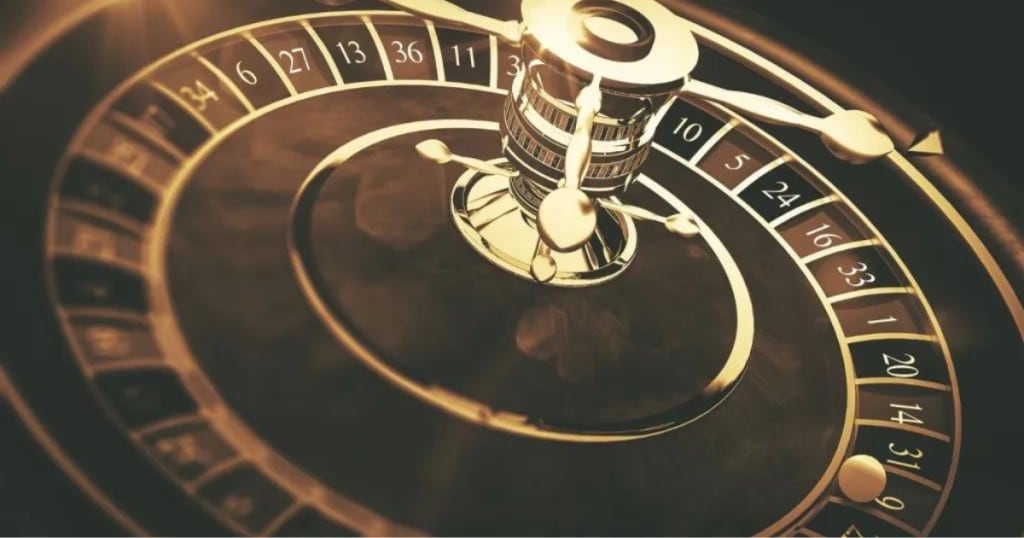 Older players often talk about how matka once moved at a slower pace. Results weren’t instant. Information traveled through people, not screens. You had time to think, to doubt, to change your mind. Today, the pace is faster, and that speed changes the emotional texture. Anticipation compresses. Reactions sharpen. Wins feel brighter; losses feel heavier. Technology didn’t invent the thrill, but it definitely turned up the volume.
Names play an interesting role in this world. Certain titles carry familiarity, almost like nicknames passed down through conversation. tara matka ↗ is one of those phrases that surfaces naturally, without explanation, among people who already know the landscape. It functions less as a promise and more as a reference point—something recognizable in a crowded field of numbers, charts, and claims.
What’s striking is how matka invites both logic and imagination to the table. People analyze past results with impressive focus, drawing lines, spotting repetitions, and building theories. At the same time, they trust instincts that have no data behind them at all. A number appears in a dream. A date feels lucky. A gut feeling overrides careful calculation. This mix might seem contradictory, but it mirrors how humans make decisions everywhere else too.
Conversation is a huge part of the appeal. Matka gives people something to talk about that’s light enough to avoid personal exposure, yet engaging enough to spark debate. Predictions are shared. Mistakes are teased. Near misses become stories retold with small adjustments each time. In those exchanges, matka becomes social currency, a way to connect without saying too much about yourself.
The digital shift has also blurred regional lines. What once felt local now feels borderless. People discuss games associated with different areas, often without ever visiting them. manipur matka ↗ , for example, appears in online searches and chats far beyond its geographic roots. The name travels faster than the context, turning place-based identity into something abstract and searchable.
That abstraction has consequences. When everything feels distant and digital, it’s easier to forget the real-world impact of loss. Small amounts add up. Time slips away unnoticed. For some, matka remains a casual distraction they can step away from easily. For others, it slowly claims more attention than intended. The difference usually isn’t visible from the outside.
There’s a common myth that people involved in matka are always chasing big wins. In reality, many are chasing something subtler: relief from boredom, a sense of agency, or the feeling of being “in the know.” Numbers become symbols of possibility. Even when the outcome disappoints, the process itself provides a temporary escape from routine.
This is where honest reflection matters. Matka isn’t purely good or purely bad. It’s a tool for stimulation in a world that often feels overstimulating and underwhelming at the same time. The danger lies in confusing stimulation with satisfaction. One fades quickly; the other sustains. When matka starts replacing healthier sources of engagement, that’s usually when people feel the strain.
What rarely gets discussed is how people exit the cycle. Most don’t make dramatic decisions. They drift away. Interest fades. Life changes. A new responsibility arrives. Sometimes it’s just fatigue—the realization that the emotional highs and lows aren’t worth the mental space they occupy. That quiet withdrawal is far more common than sudden renunciation.
Families and friends play an unspoken role here. Judgment tends to push behavior underground. Curiosity and conversation bring it into the open, where limits can be discussed. When people feel safe talking about why they’re drawn to something, they’re more likely to notice when it starts costing too much.
At its core, matka reflects a broader human habit: turning uncertainty into ritual. We do it with markets, sports, even weather forecasts. Numbers give uncertainty a shape we can look at, argue about, and briefly believe in. That doesn’t make the belief accurate, but it makes it emotionally manageable.
As the day winds down and results settle into memory, many people realize something quietly important. The world didn’t change. Tomorrow will look a lot like today. That realization can be grounding. It reminds you that while numbers can color a moment, they don’t define a life.
Matka will likely remain part of the cultural background, adapting as technology and habits change. The more useful question isn’t how to predict better, but how to relate better—to the waiting, the hope, and the limits we set for ourselves. Sometimes the healthiest win isn’t seeing your number appear. It’s closing the app, stepping outside, and letting the evening unfold without checking anything at all.