There’s a strange comfort in the way numbers tend to follow us around. They mark our birthdays, our anniversaries, our exam roll numbers, the total on a grocery bill, even the digits we look for on a passing license plate when we’re bored in traffic. We don’t usually admit it, but every now and then, a number feels lucky… or unlucky… or just oddly meaningful. And maybe that’s why, in so many corners of India, the world of number-based games continues to float around like an old folk memory—familiar, imperfect, and stubbornly alive.
People often talk about matka 420 ↗ with a mix of nostalgia and curiosity, almost as if it’s a relic from another era that still refuses to disappear. Not because it’s glamorous—far from it—but because it has become one of those cultural artifacts that slip through generations without ever fully fading. You’ll hear stories about uncles who swore they had a system, neighbors who said they once predicted the “perfect number,” and chai-stall debates that sound half mathematical, half mystical. No matter how modern life gets, these tales linger in the background like half-forgotten lullabies.
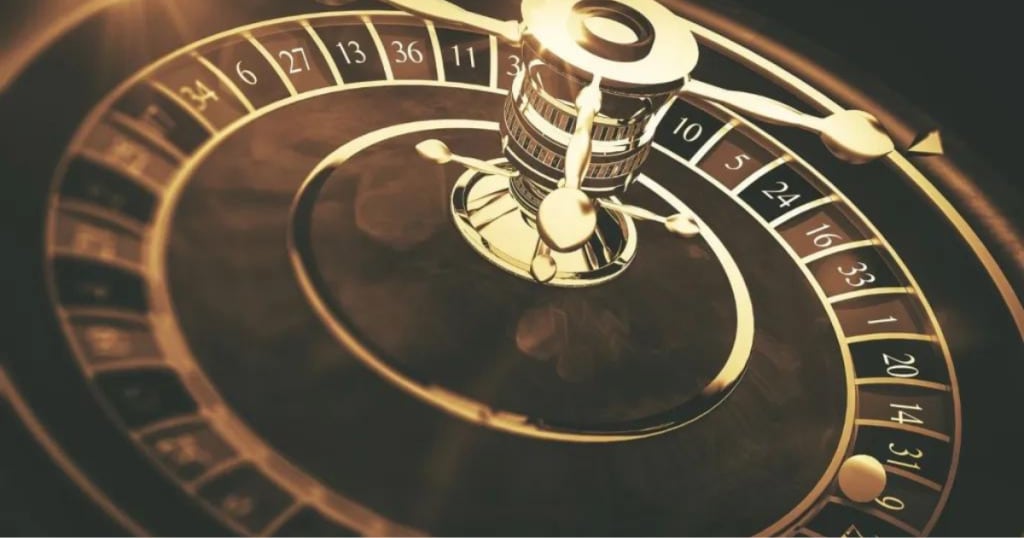 What’s interesting isn’t the game itself; it’s the way people interact with it. It’s the guessing, the theories, the playful arguments, the ritual of predicting something that no one can truly predict. Humans have always loved flirting with randomness. We toss coins for decisions we’re too tired to make. We check horoscopes even when we don’t believe in them. We chase patterns in the clouds during long evening walks. And maybe that’s the real magnetism behind these number games—they tap into a universal desire for a little mystery in the middle of a predictable week.
Talk to anyone who observes these games, even casually, and you’ll notice something charming: no one agrees on anything. One person thinks numbers repeat in cycles. Another believes dreams carry clues. Someone else relies on a gut feeling that “just feels right today.” It’s not science—definitely not—but it’s surprisingly poetic in its own way. There’s a warmth to it, like old stories told around kitchen tables.
Some people gravitate toward modern variations like tara matka ↗ , which has found its place in online spaces and late-night group chats. It’s the same idea wrapped in digital skin—fast updates, online results, and that familiar moment of “Let’s see what happens this time.” Technology has changed everything, from how we communicate to how we entertain ourselves, and these games have simply learned to live in the new world. Instead of handwritten notes and whispered predictions, you now get instant notifications and scrolling discussions. But the anticipation? That stays exactly the same.
If you step back and look at all of this without judgment, you’ll notice something deeper. These traditions aren’t just about outcomes—they’re about connection. They bring people together. Friends tease each other about bad guesses. Families share funny stories from years ago. Strangers on forums swap theories as if decoding a secret script. Even when people get it wrong (which is almost always), there’s laughter, conversation, a little thrill that spices up the day.
Of course, there’s always the important practical side of things: anything involving chance should be treated lightly, with balance and awareness. Most people do exactly that. They see it as entertainment, a tiny spark, a brief distraction—not something to anchor their life on. When approached with moderation, the experience becomes less about risk and more about storytelling, curiosity, and cultural nostalgia.
Numbers have always fascinated people, long before any game or system existed. Some cultures consider 7 lucky, others love the symmetry of 11:11, and countless families have “special dates’’ that they believe bring them fortune. It’s not logical, but it’s wonderfully human. We like to believe that the universe occasionally leaves clues, even if we know deep down that randomness is just randomness.
What I find beautiful in all this is the storytelling. Someone will swear they saw the same number everywhere—on receipts, buses, clocks—and took it as a sign. Someone will insist their pet behaved oddly the night before a meaningful outcome. Someone else will attribute a correct guess to a dream that probably didn’t mean anything at all. These stories would fall apart under scientific scrutiny, but that’s not the point. They’re woven with emotion, humor, exaggeration, and the kind of imagination adults don’t get to use often enough.
In a way, these number games act like tiny mirrors reflecting the unpredictability of life itself. You think you know what’s coming, and suddenly things shift. You plan for one thing and end up somewhere completely different. You expect a dull day and get a pleasant surprise. Life rarely unfolds in straight lines, and neither do these games. Maybe that’s what makes them oddly relatable.
Even as the world becomes more structured, more digital, more optimized for efficiency, people still seek out tiny bursts of unpredictability. A little suspense. A moment of “let’s see” before returning to emails, chores, routines, responsibilities. These games—however controversial, however misunderstood—fill that gap for many people. They’re not about logic. They’re about feeling.
And perhaps that’s why they’ve survived so long. Not because they’re perfect or noble, but because they offer something small and human: curiosity. The kind that turns ordinary afternoons into conversations, the kind that stirs a little imagination, the kind that reminds you life doesn’t always read the script you expect.
In the end, whether you’re a spectator, a casual observer, or someone who simply enjoys the cultural backdrop, there’s no denying the powerful role numbers play in our stories. They hold memories, secrets, coincidences, wild guesses, and sometimes—on rare, unpredictable days—tiny surprises that make people smile.