There’s something strangely captivating about the way humans try to predict the unpredictable. Maybe it’s the thrill of possibility, or the quiet belief that luck might just lean in our direction today. In India, this fascination plays out in countless ways, but few things reflect it better than the world of number-based games that have grown, reshaped, disappeared, and reappeared across decades. And while the topic stirs up its fair share of debates, the cultural intrigue behind these games rarely gets the thoughtful attention it deserves.
If you’ve ever walked through a bustling market or listened to old stories from someone who lived through the 80s and 90s, you’ve probably heard whispers about certain “lucky” digits, sudden overnight wins, or those legendary players who seemed blessed with a sixth sense. It all forms a quirky little universe that isn’t just about luck—it’s about people, community, hope, and, honestly, a bit of everyday drama.
Somewhere in this lively ecosystem, you’ll encounter the old-school appeal of matka 420 ↗, a phrase that still pops up in conversations, online forums, and nostalgic anecdotes. Not because of glamour—far from it—but because it represents a slice of India’s underground gaming folklore. It’s like one of those iconic phrases people remember even if they never participated. A reminder of how stories travel, reshape, and refuse to fade completely.
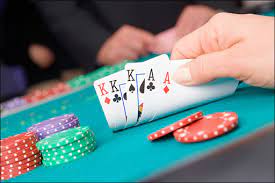 Of course, number games in India aren’t just historical relics. They’ve morphed into digital spaces, gained new interpretations, and attracted younger audiences who probably never saw the older forms. This shift is interesting because it mirrors how everything—from music to markets—has migrated into virtual corners of our lives. Some players treat it casually, a quick ritual like checking the horoscope or flipping a coin. Others dive in with the kind of intensity usually seen in chess tournaments. It’s oddly fascinating, watching something so simple spark so much emotion.
What keeps people hooked isn’t really the numbers. It’s the wait. That tiny stretch of time between a guess and a result. It sounds silly when you describe it plainly, but if you’ve ever felt your heart race over something small—like waiting for exam results, or even tracking a cricket match’s last over—you get the idea. The fun isn’t always in winning; it’s in wondering.
And then there’s the modern-era charm of tara matka ↗ , a phrase that almost sounds poetic if you take it out of context. Its popularity today has less to do with old smoky backrooms and more to do with online platforms where people observe patterns, debate strategies, and indulge in that timeless mix of superstition and statistics. It’s curious how patterns—whether real or imagined—give people a sense of control over chance-based things. Humans like feeling in sync with the universe, even when the universe is rolling random outcomes like confetti.
What makes these games so enduring (despite controversies, warnings, and countless cautionary tales) is the emotional cocktail they create. Suspense, excitement, frustration, relief—sometimes all within minutes. It’s similar to why people binge watch suspense shows or follow astrology columns or get hooked on puzzle apps. The brain enjoys the dance between “maybe” and “maybe not.”
But there’s another side to it, too—the social part. For many, the experience isn’t solitary. It’s conversations, predictions, tea-stall debates, late-night chats, and little inside jokes that only regular players understand. Even the disagreements about luck versus strategy have a sort of friendly charm. It's the same energy as sports fans arguing about whether a win was skill or destiny. And honestly, that camaraderie can feel surprisingly wholesome, even if the topic itself is a little controversial.
Still, it’s important to acknowledge the fine line between fun curiosity and harmful obsession. Any activity involving chance can tip over into unhealthy territory if not kept in check. Most people treat these games like a harmless pastime, a tiny dash of unpredictability in an otherwise predictable life. But moderation isn't just recommended—it’s crucial. The unpredictability that makes things exciting is the same thing that can create problems if people take it too seriously.
What’s interesting is how often players talk about “luck” as if it’s a living thing—something that visits, disappears, teases, punishes, rewards, or simply doesn’t care. It becomes a character in their stories. And maybe that’s part of the appeal, too. People like believing that fortunes can change, that a random moment can open a tiny door to something better, even if just for a day. In a world full of routines—commutes, deadlines, responsibilities—small slices of unpredictability feel refreshing.
Over time, stories from these games become little legends. Someone’s cousin once got the perfect guess. A shopkeeper claims he dreamt of a number and woke up rich. A friend of a friend swears by some bizarre “formula” that only works when the moon is in a certain phase. Whether true or embellished, these tales stay alive because people love storytelling just as much as they love surprises.
But beyond the myths, beyond the nostalgia, beyond the occasional adrenaline rush, there’s a simple truth: games like these survive because they fill a very human desire—to feel connected to chance, fate, luck, or whatever name each person gives it. They remind us that life isn’t always a straight line. Sometimes it zigzags, loops around, pauses, or veers off unexpectedly. And while that unpredictability can be stressful, it’s also what makes life interesting.
As long as people remain curious, as long as numbers hold meaning, and as long as a tiny spark of hope lives inside both routine days and chaotic ones, games like these will continue to linger in our cultural landscape. Not because of the wins or losses, but because they tap into something deeply human: the desire to believe that possibility is always just around the corner.
And maybe that’s the quiet charm behind it all—not the thrill of the guess, but the comfort of knowing that even in a world full of rules, a bit of randomness still has room to breathe.